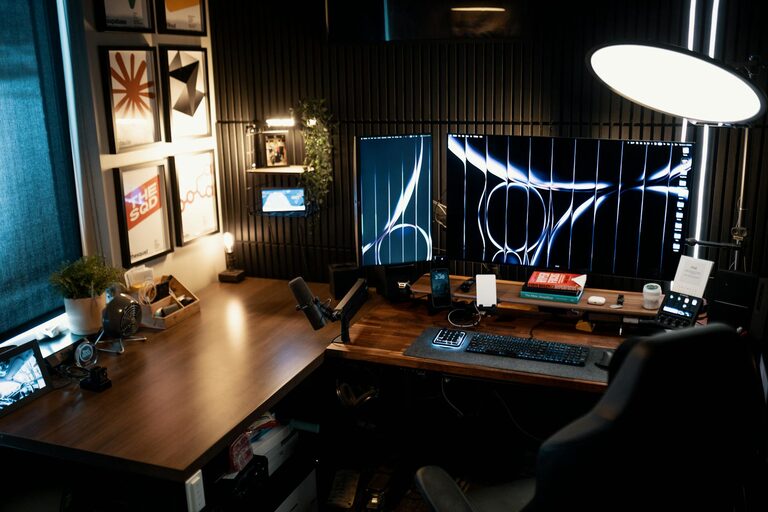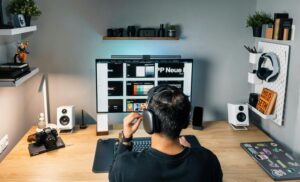


Creating a productive home office space is essential for anyone working remotely or spending significant time on personal projects. A well-designed workspace can enhance focus, reduce distractions, and improve overall work quality. Whether you have a dedicated room or a small corner in your home, there are actionable steps you can take to optimize your environment for productivity. In this article, we’ll explore key tips to help you create a home office that supports your best work.
Choose the Right Location
Selecting the appropriate spot for your home office is the foundation of productivity. Here’s what to consider:
– Quiet and Low-Traffic Area: Pick a place away from the noise of the household or street to minimize distractions.
– Natural Light: Position your desk near a window if possible. Natural light boosts mood and reduces eye strain.
– Adequate Space: Ensure enough room for your desk, chair, and any necessary equipment without clutter.
If you lack a separate room, think creatively — a nook, unused closet, or even a well-set-up corner in the living room can serve well with the right adjustments.
Invest in Ergonomic Furniture
Comfort is key to maintaining focus for long periods. Ergonomic furniture helps prevent aches and repetitive strain injuries.
– Adjustable Chair: Choose a chair that offers lumbar support and height adjustments. Your feet should rest flat on the floor.
– Proper Desk Height: A desk at the right height helps keep your wrists straight while typing and your shoulders relaxed.
– Monitor Positioning: Place your computer screen at eye level about an arm’s length away to avoid neck strain.
Comfortable furniture pays off by reducing physical discomfort and increasing concentration.
Minimize Clutter for a Clear Mind
A cluttered workspace can cause a cluttered mind. Keep your home office organized using these strategies:
– Declutter Weekly: Regularly clear your desk and filing areas of unnecessary items.
– Smart Storage: Use shelves, drawers, and containers to keep supplies tidy and within reach.
– Cable Management: Tidy up cords using cable organizers or clips to prevent tangling and distraction.
A neat space fosters focus and helps you locate essential materials quickly.
Optimize Lighting
Good lighting is a crucial factor for productivity and eye comfort.
– Use Layered Lighting: Combine ambient lighting with task lighting, such as a desk lamp, to ensure your workspace is well-lit.
– Avoid Glare: Position lights and screens to reduce reflections and glare.
– Consider Warm vs. Cool Light: Cool white light can promote alertness, while warmer tones can create a relaxing atmosphere during breaks.
Proper lighting reduces fatigue and can positively affect your mood.
Personalize Your Space
Adding personal touches can make your home office more inviting and motivating.
– Decorate with Plants: Indoor plants improve air quality and bring a calming influence.
– Incorporate Art and Personal Items: Photos, artwork, or motivational quotes can boost inspiration.
– Choose Colors Wisely: Soft, neutral tones encourage focus, while brighter accents can energize the space.
Finding the balance between professionalism and comfort is important for daily motivation.
Establish Clear Boundaries
Maintaining a work-life balance is often challenging when your home is your office.
– Set Work Hours: Define specific start and end times to your workday.
– Signal When Busy: Use signs or signals to indicate when you should not be disturbed.
– Separate Work and Leisure: If possible, close the door or pack away work materials when the day ends to shift focus to personal time.
Clear boundaries help prevent burnout and improve productivity during work hours.
Use Technology Wisely
Equip your home office with technology that supports efficiency.
– Reliable Internet: A strong, stable connection is essential for calls and cloud-based work.
– Productivity Tools: Utilize apps that help with task management, time tracking, or note-taking.
– Noise-Canceling Headphones: Especially helpful if your environment has background noise.
Technology should enhance your work, not complicate it.
Prioritize Healthy Habits
Your workspace design supports your health and well-being too.
– Take Regular Breaks: Use timers to remind yourself to stand, stretch, and rest your eyes.
– Hydrate and Snack Wisely: Keep water and nutritious snacks accessible.
– Incorporate Movement: Consider a standing desk or add brief exercise routines to your day.
Healthy habits contribute to sustained focus and energy.
—
By thoughtfully designing your home office space with these tips, you can create an environment that promotes productivity and well-being. Remember, the goal is to tailor your workspace to your needs, making it a place you enjoy spending time in while accomplishing your tasks efficiently. Happy working from home!