

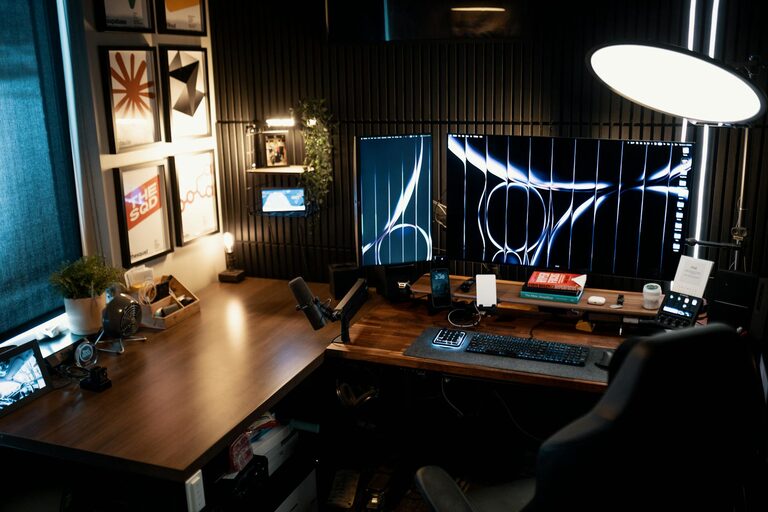
Creating a home office that feels both cozy and productive is key to making the most of your remote work or study time. A thoughtfully arranged space can help you stay focused, reduce stress, and enjoy your workday more. Whether you have a dedicated room or just a corner of your living space, these tips will guide you in designing a home office that suits your needs and lifestyle.
1. Choose the Right Location
Selecting the right spot in your home is the first step. Ideally, pick a quiet area with minimal distractions.
– Natural Lighting: Position your desk near a window to take advantage of natural light, which can enhance mood and reduce eye strain.
– Privacy: If possible, choose a space separate from high-traffic areas, so you can concentrate without interruptions.
– Comfortable Environment: Ensure the room temperature and ventilation are comfortable to help you focus for longer periods.
2. Invest in Ergonomic Furniture
Comfort is crucial for productivity, especially when spending long hours at your desk.
– Desk: Choose a desk at the right height for your body to keep your shoulders relaxed and elbows at about a 90-degree angle.
– Chair: Invest in a sturdy, adjustable office chair that supports your lower back.
– Accessories: Use footrests or wrist supports if needed to maintain a healthy posture.
3. Keep It Organized and Clutter-Free
A tidy workspace helps clear your mind and keeps distractions at bay.
– Storage Solutions: Use shelves, filing cabinets, or desk organizers to keep documents and supplies in order.
– Daily Tidying: Spend a few minutes at the end of each day to declutter your workspace.
– Cable Management: Use clips or ties to organize cables and prevent a tangled mess.
4. Personalize Your Space
Adding personal touches can make your home office feel inviting and comfortable.
– Decor: Use artwork, plants, or photos that make you happy and inspired.
– Color Choices: Opt for calming colors such as soft blues, greens, or neutrals to create a peaceful vibe.
– Lighting: Add a warm desk lamp or ambient lighting to complement natural light and reduce eye fatigue.
5. Incorporate Functional Technology
The right tech setup ensures your work runs smoothly, reducing frustration and downtime.
– Reliable Internet: Ensure your Wi-Fi connection is strong; consider an ethernet cable if needed.
– Multiple Monitors: Using more than one screen can increase productivity if your work involves multitasking.
– Accessories: Noise-cancelling headphones, a quality microphone, and an ergonomic keyboard or mouse can improve your workflow.
6. Establish Boundaries and a Routine
Creating clear boundaries between work and home life can help maintain balance.
– Set Work Hours: Designate specific times to start and stop working to avoid burnout.
– Break Space: If your home allows, create a separate area for breaks to mentally step away from work.
– Communicate: Let family or roommates know your schedule to minimize interruptions.
7. Add Greenery for a Refreshing Touch
Plants not only beautify your office but can also improve air quality and mood.
– Low-Maintenance Plants: Consider varieties like snake plants, pothos, or succulents that are easy to care for.
– Placement: Position plants where they receive enough light but don’t obstruct your workspace.
– Size Variety: Use a mix of small desk plants and larger floor plants for visual interest.
8. Choose Practical and Inspiring Wall Art
Your walls can motivate and energize you.
– Inspirational Quotes: Framed quotes or artwork can provide motivation.
– Vision Boards: Create a space to pin ideas, goals, or reminders.
– Calming Images: Pictures of nature or abstract art can create a soothing atmosphere.
9. Control Noise Levels
Minimizing unwanted noise aids concentration.
– Soundproofing: Add rugs, curtains, or acoustic panels to absorb sound.
– Background Noise: Use white noise machines or soft music to mask distractions.
– Quiet Hours: Coordinate with household members for periods of silence during critical work times.
10. Keep Refreshments Handy
Staying hydrated and nourished helps maintain energy levels.
– Water Bottle: Keep a reusable water bottle on your desk.
– Healthy Snacks: Store easy-to-eat snacks nearby to avoid long breaks for food.
– Break for Coffee or Tea: Designate moments for a warm drink to recharge.
—
Designing a cozy and productive home office is about balancing comfort, functionality, and personalization. By following these tips, you can create a space that encourages focus and creativity, making your work-from-home experience much more enjoyable and efficient. Remember, your home office should evolve with your needs, so feel free to adapt and refresh it regularly to keep it inspiring and conducive to your best work.