

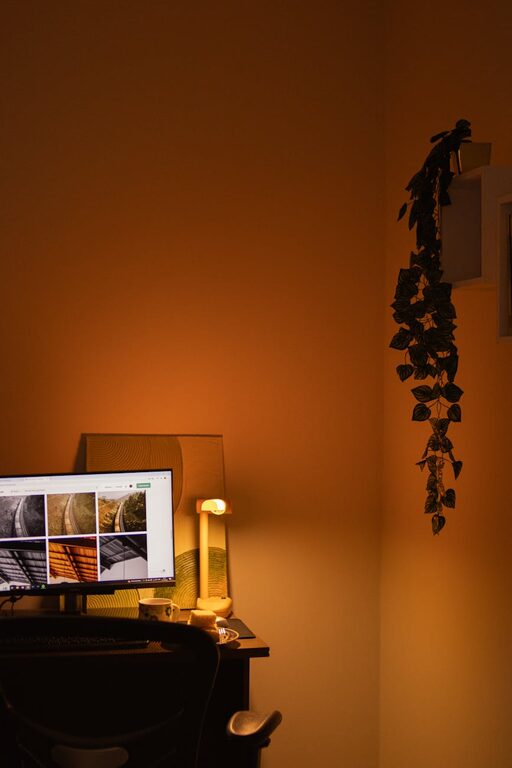
Creating a cozy and functional home office space is essential for anyone who spends a significant amount of time working from home. A well-designed workspace not only boosts productivity but also makes the workday more enjoyable. Whether you have a dedicated room or a corner in your living area, these tips will help you set up a comfortable and efficient office environment.
1. Choose the Right Location
Selecting the ideal spot for your home office can set the tone for your workday. Look for a space that gets plenty of natural light, as daylight helps improve mood and focus. Ideally, choose a quiet area away from household traffic and distractions. If space is limited, consider using room dividers or screens to create a separate visual boundary.
2. Invest in Comfortable Furniture
Comfort is key when it comes to long hours at your desk. An ergonomic chair that supports good posture can prevent back and neck pain. Pair this with a desk at the right height that allows for comfortable arm positioning. If possible, a sit-stand desk offers flexibility to alternate between sitting and standing, which can improve circulation and reduce fatigue.
3. Optimize Lighting
Proper lighting is crucial to reduce eye strain and maintain alertness. In addition to natural light, add task lighting such as a desk lamp with adjustable brightness. Use warm light bulbs for a cozy ambiance, but ensure the space is bright enough to clearly see your materials and screen. Position your computer screen to avoid glare from windows or overhead lights.
4. Personalize Your Space
Adding personal touches can make your office feel welcoming and inspire creativity. Decorate with items like artwork, plants, or meaningful photos. Plants not only add beauty but also improve air quality and create a calming atmosphere. Be mindful not to overcrowd the space, keeping decorations minimal and purposeful.
5. Organize for Efficiency
Clutter can be distracting, so keep your workspace tidy and organized. Use storage solutions like shelves, drawers, and filing cabinets to keep documents and supplies out of the way but easily accessible. A clean desk encourages focus and quickly helps you find what you need.
Tips for Organization:
– Use cable organizers to keep cords neat.
– Employ drawer dividers or small containers for office supplies.
– Set up a routine to clear and clean your desk at the end of each day.
6. Incorporate Technology Thoughtfully
Make sure your home office has the necessary technology to work efficiently. This includes a reliable internet connection, a suitable computer or laptop, and any additional equipment like printers, scanners, or external monitors. Position devices so they don’t crowd your workspace, and use wireless options when possible to minimize cables.
7. Maintain Good Air Quality and Temperature
A comfortable temperature and fresh air contribute significantly to your ability to concentrate. Keep your workspace well-ventilated by opening windows regularly or using an air purifier if needed. Adjust temperature controls or use fans or heaters to maintain a pleasant environment.
8. Set Boundaries for Work and Relaxation
If your home office is in a shared space, clearly define your working hours and communicate them with others in your household. This helps minimize interruptions and preserves work-life balance. When the workday ends, physically leaving your office area can help mentally switch off from work.
9. Add Comfortable Accessories
Small touches like a cozy throw blanket, a soft rug, or cushions can enhance comfort during work sessions. These items also help soften the look of the space, making it feel inviting and less sterile.
10. Stay Flexible and Adapt
Your needs might change over time, so be ready to tweak your setup. Experiment with different arrangements, lighting, or furniture until you find what works best for you. Flexibility helps keep your home office both comfortable and functional.
—
By combining comfort with practicality, your home office will support your productivity and well-being. Remember, the best workspace is one tailored to your personal preferences and work style. Start with these tips and create a home office that feels just right for you.