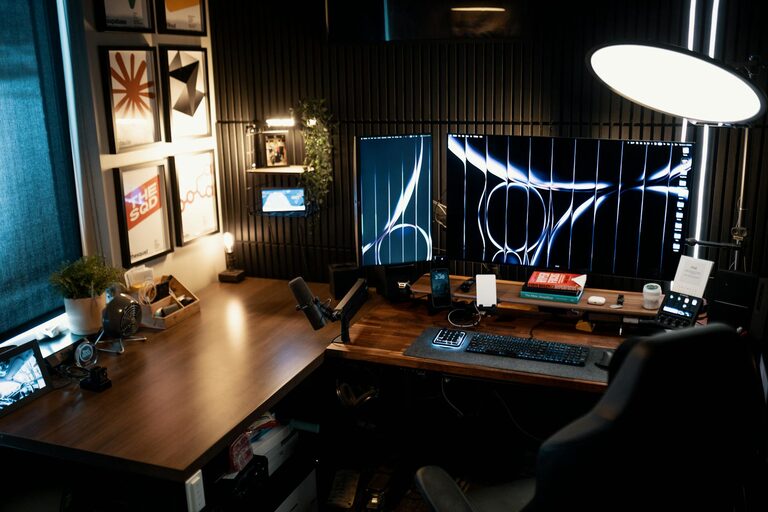

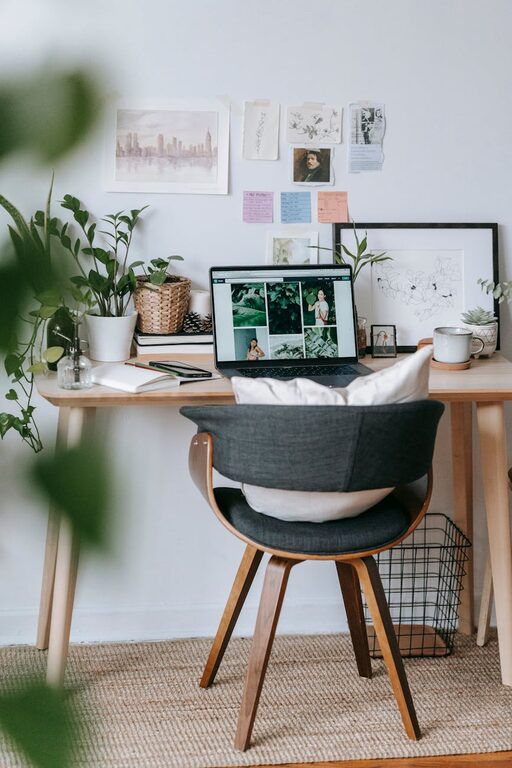
Creating a home office that feels cozy yet fuels your productivity is essential in today’s flexible working world. Whether you’re working remotely full-time or just need a dedicated spot for occasional tasks, the right environment can help you stay focused and comfortable. Here are practical tips to design a home office that balances warmth with efficiency.
Choose the Right Location
Selecting the perfect spot in your home sets the foundation for a functional workspace. Ideally, look for a quiet area with minimal distractions. Consider a spare room, a corner in your bedroom, or a section of the living room. Make sure the space gets enough natural light; sunlight helps reduce eye strain and lifts your mood.
Factors to consider:
– Away from high-traffic areas
– Near power outlets for your devices
– Good ventilation and temperature control
Invest in Comfortable and Functional Furniture
Your furniture plays a crucial role in comfort and productivity. Start with a good-quality chair that supports your posture during long hours of sitting. An adjustable ergonomic chair can reduce back pain and fatigue.
Pair it with a desk that suits your work style. If you prefer standing sometimes, consider a sit-stand desk. Ensure the desk has enough surface area for your computer, notes, and a few personal touches.
Optimize Lighting
Lighting influences both mood and focus. Position your desk near a window to make the most of natural light during the day. However, direct glare on screens can be distracting, so use blinds or curtains to soften harsh sunlight.
For evening work, invest in layered lighting:
– A bright overhead light for general illumination
– A desk lamp with adjustable brightness for focused tasks
Warm light bulbs create a cozy atmosphere, while cooler bulbs can help maintain alertness.
Organize and Declutter
A clutter-free desk clears your mind and minimizes distractions. Use organizers like trays, drawer dividers, and file holders to keep papers and supplies in order. Regularly tidy your space to prevent buildup.
Consider storage solutions that blend with your décor, such as shelves, baskets, or cabinets, to keep the area neat without sacrificing style.
Personalize Your Space
Adding personal touches makes your office inviting and reflects your personality. Photos, artwork, plants, or a favorite mug can brighten the space.
Plants are especially beneficial—they improve air quality and reduce stress. Choose low-maintenance varieties like succulents or pothos if you’re new to plant care.
Limit Distractions
To maintain focus, create boundaries that signal work time to others in your home. Use noise-cancelling headphones or ambient sound apps if background noise is a problem.
Establish a routine that includes breaks away from your desk. This helps refresh your mind and prevents burnout.
Technology Setup
Ensure your technology supports efficient work. A reliable internet connection, a quality monitor, and ergonomic peripherals like a keyboard and mouse can make a big difference.
Cable management solutions keep your workspace tidy, reducing hazards and tangled cords.
Incorporate Comfort Elements
Comfort goes beyond furniture. Consider adding:
– A soft rug to warm up the floor
– Cozy throws or cushions
– A small heater or fan for temperature control
These touches make your office feel like a pleasant space where you want to spend time.
Maintain Work-Life Balance
Finally, set clear start and finish times. When your workday ends, physically leave your workspace or close your laptop to create separation between work and relaxation.
Having a designated office space helps your mind switch between work mode and home mode more easily.
—
By thoughtfully designing your home office with comfort and productivity in mind, you’ll create a space that supports your best work and promotes well-being. Small changes can make a noticeable difference in how much you enjoy your workday at home.